
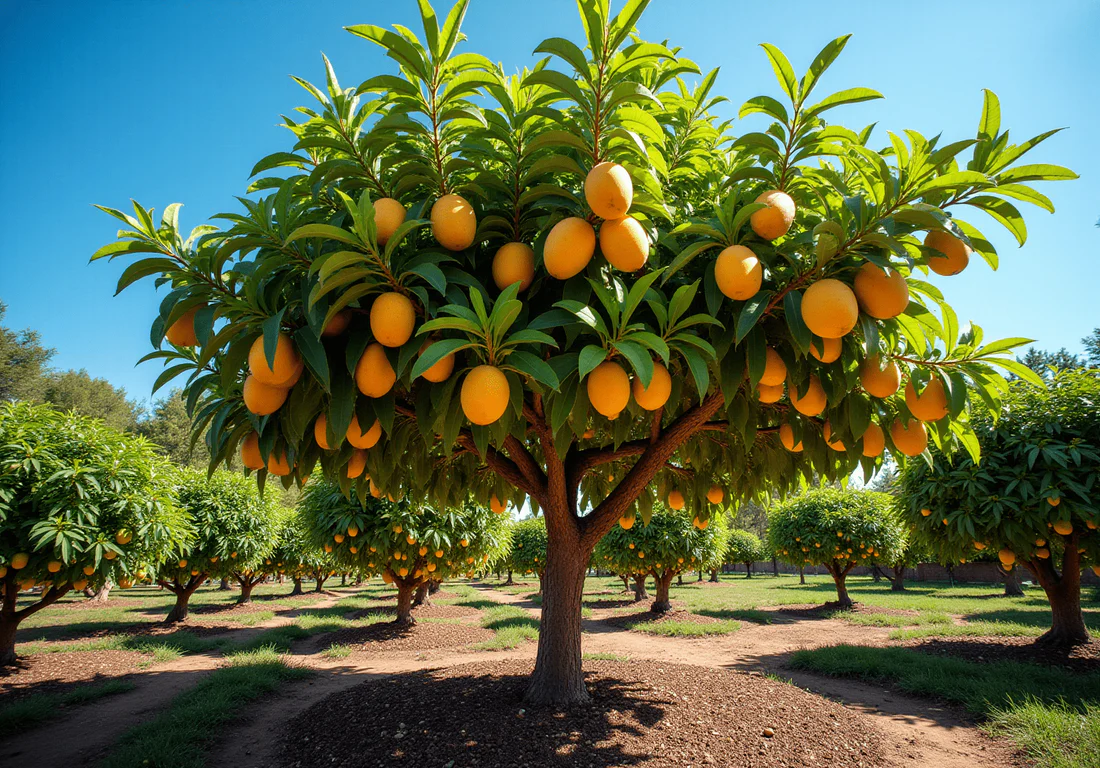
Why farming thrives in the Ayama Sakara area between Redelinghuys and Piketberg despite the harsh climate
At first glance, the landscape between Redelinghuys and Piketberg looks unforgiving. Sandy soils, dry summers, strong winds, and long rainless periods don’t exactly suggest agricultural abundance. Yet this region has quietly become one of the Western Cape’s most productive fruit-growing zones, with significant investment flowing in over the past five years.
So what’s really going on?
1. Mediterranean climate advantage
The area sits within the broader West Coast climatic belt, which shares characteristics with famous fruit regions like California and southern Spain. Winters bring cool temperatures and rainfall, while summers are hot and dry.
For fruit trees, especially citrus, table grapes, olives, and stone fruit, this is ideal:
- Winter chill supports proper dormancy and flowering.
- Dry summers reduce fungal diseases.
- Predictable seasons improve yields and quality.
In agriculture, “harsh” often means “controlled,” and controlled conditions can be extremely productive.
2. Sandy soils are not a disadvantage
Sandy soils drain quickly and are easy for roots to penetrate. While they don’t naturally hold nutrients well, modern farming has changed the equation:
- Drip irrigation delivers water directly to roots.
- Fertigation (nutrients through irrigation) replaces natural fertility.
- Soil amendments improve organic matter over time.
For fruit trees, good drainage is often more important than rich soil. Roots prefer oxygen, and sandy soils provide that.
3. Water access and irrigation technology
The biggest hidden factor is water management. Much of the success comes from:
- Farm dams capturing winter rainfall.
- Boreholes tapping underground aquifers.
- Efficient drip and micro-irrigation systems.
- Precision agriculture monitoring moisture and plant stress.
Modern orchards use far less water per kilogram of fruit than older farming methods.
4. Microclimates created by mountains
The nearby mountains and elevation changes create pockets of cooler air and wind protection. Farms positioned correctly benefit from:
- Reduced frost risk in some zones.
- Cooling night temperatures that improve fruit quality.
- Variations that allow different crops to thrive within short distances.
These microclimates are extremely valuable and partly explain why investors are targeting the area.
5. Why investment has surged in the last five years
Several forces are driving the rapid development:
- Global demand for citrus and export fruit.
- South Africa’s competitive export window into Europe.
- Relatively affordable land compared to established regions like Stellenbosch or Paarl.
- Advances in irrigation technology reducing risk.
- Institutional and private investment in agriculture as a long-term asset.
Agriculture here has shifted from traditional farming to highly capitalized agribusiness.
6. The looming water question
This growth does raise serious concerns.
More orchards mean:
- Increased groundwater extraction.
- Greater reliance on dams and rainfall capture.
- Competition between agriculture, communities, and ecosystems.
If rainfall patterns decline due to climate change, pressure on aquifers could become significant. Over-extraction risks:
- Falling water tables.
- Salinity intrusion near coastal zones.
- Higher pumping costs for farmers.
- Long-term sustainability challenges.
However, commercial fruit farms are also among the most water-efficient agricultural systems per hectare, so the issue is not simple overuse, but cumulative demand across the region.
7. A paradox of abundance
The region’s success is built on a paradox:
It looks dry and fragile, yet with technology, capital, and management, it becomes highly productive.
The real question for the future is not whether farming can thrive there — it clearly can.
The question is whether water resources can sustain the pace of expansion over decades.
8. What the future may look like
Possible outcomes include:
- More dams and water storage infrastructure.
- Increased regulation of groundwater extraction.
- Shift toward even more efficient irrigation.
- Crop selection changes to lower water demand varieties.
- Greater collaboration between farmers on shared water systems.
If managed carefully, the region could remain productive for generations. If not, water scarcity could become the limiting factor.